Iconic species
Learn more about the wonderful wildlife that can be found on the Norfolk Coast
Birds
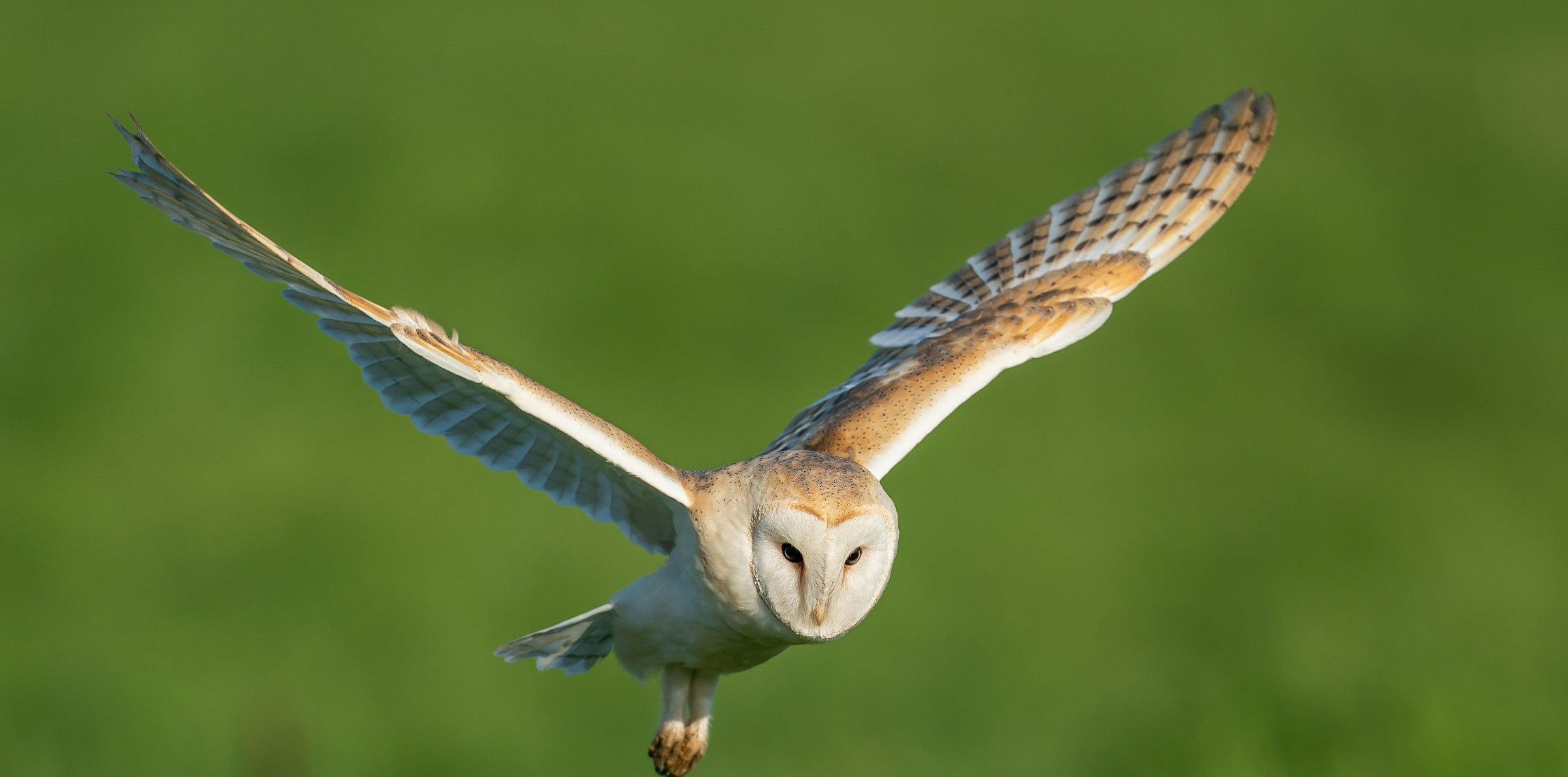
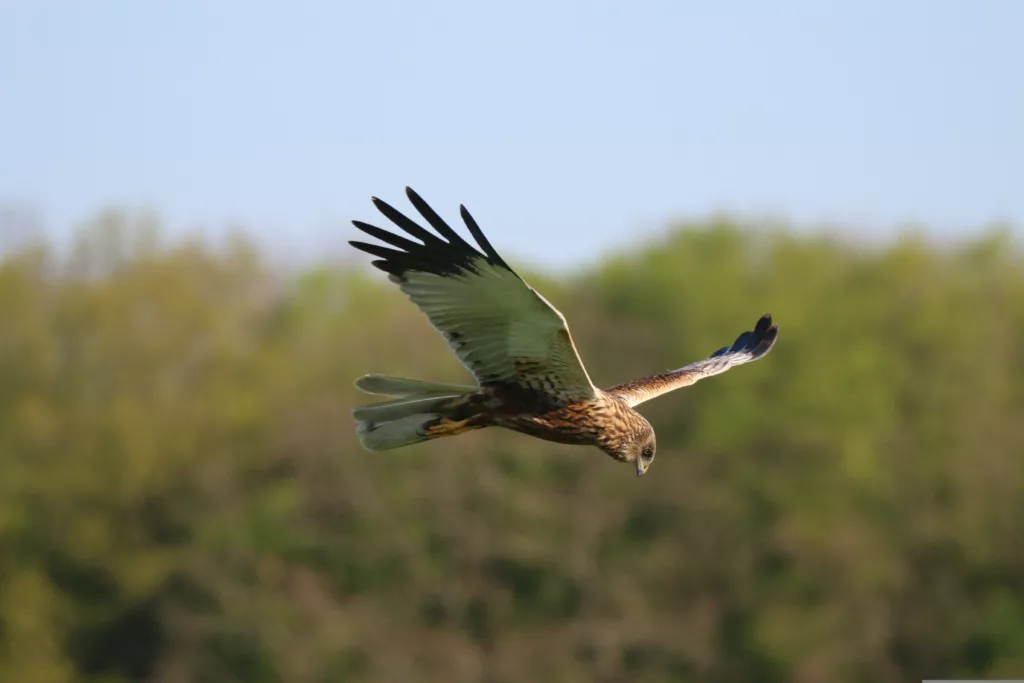
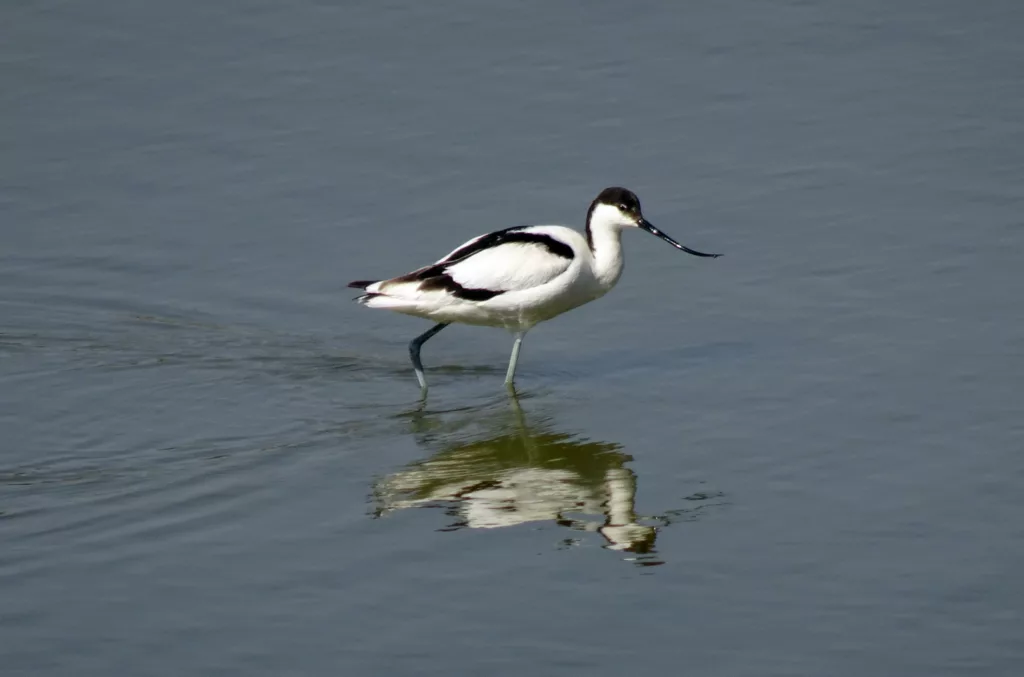
Norfolk is a wonderful place to spot birds, with many rare, threatened and migrating species. Curlews and avocets can be seen at coastal reserves, with little egrets, spoonbills and redshanks visiting our wetlands. Marsh harriers are commonly seen over reedbeds, while barn owls hunt at dawn and dusk.
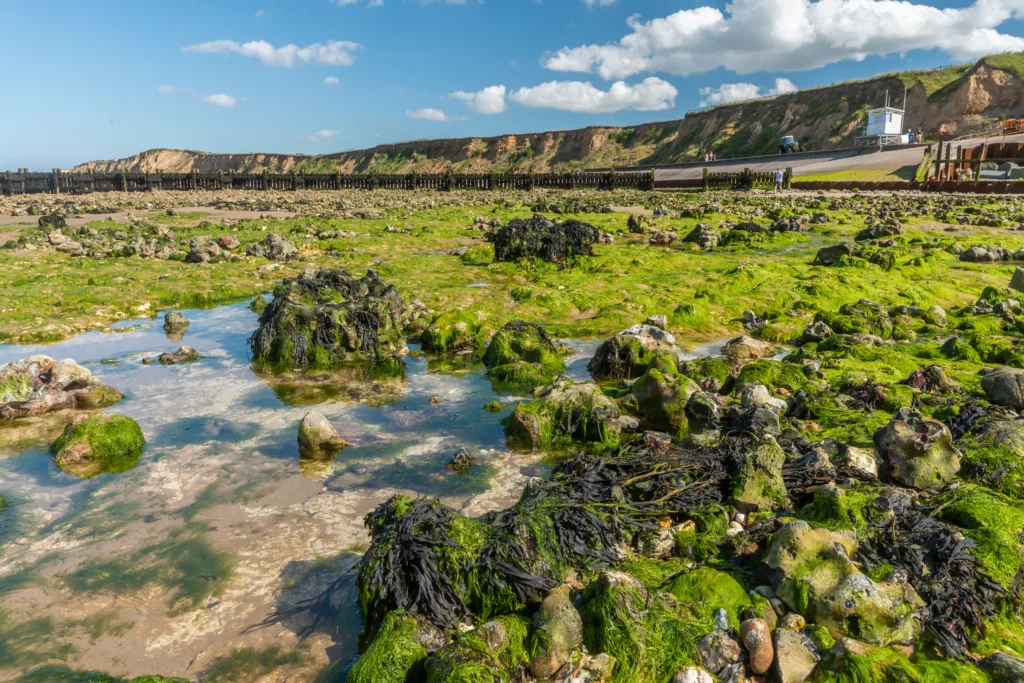
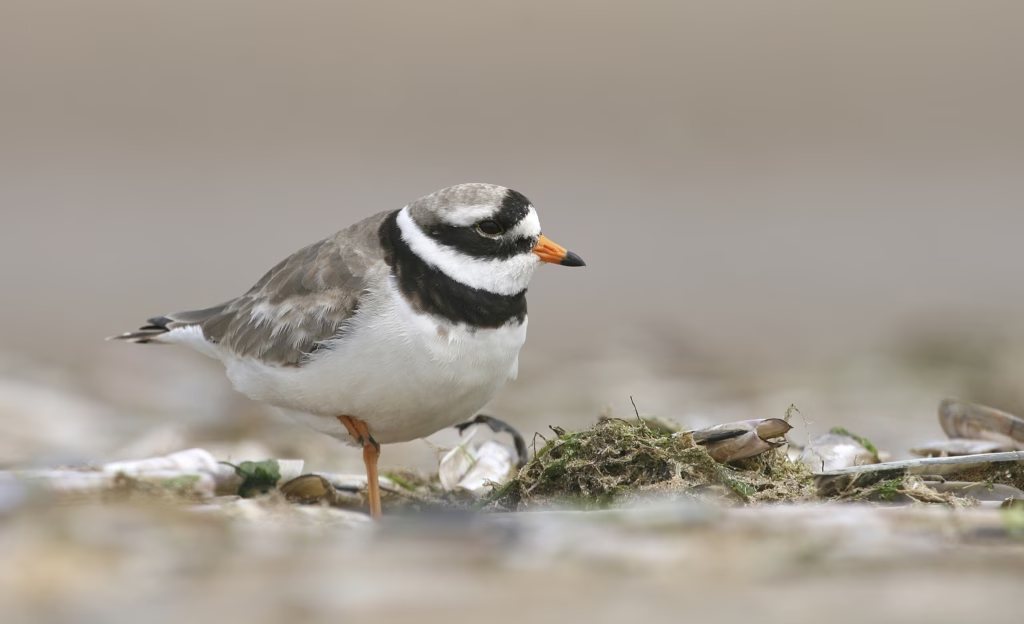
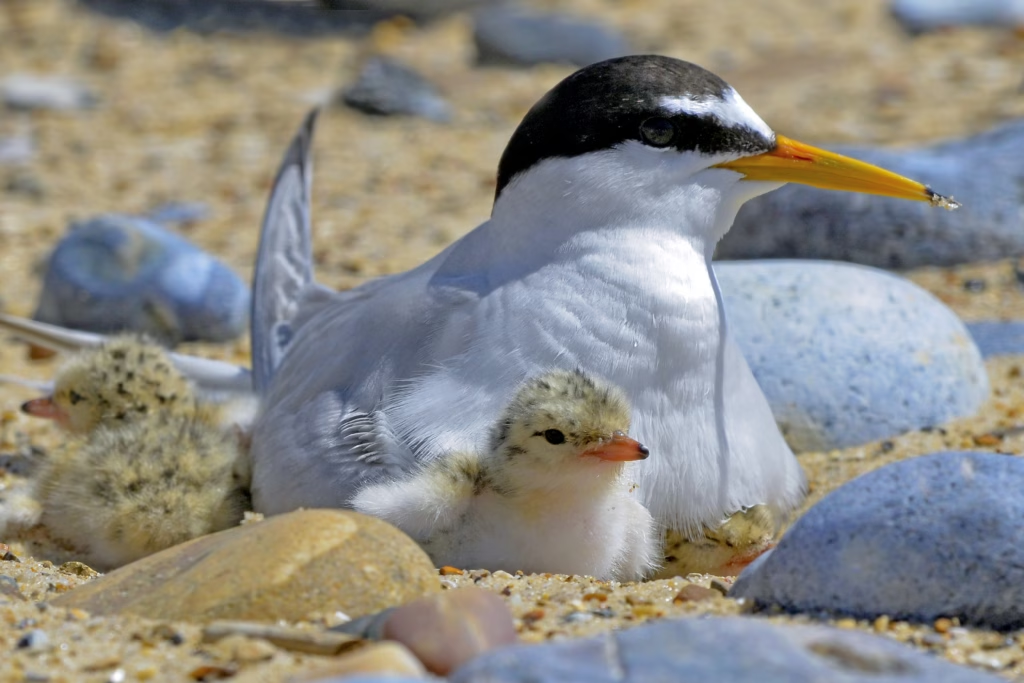
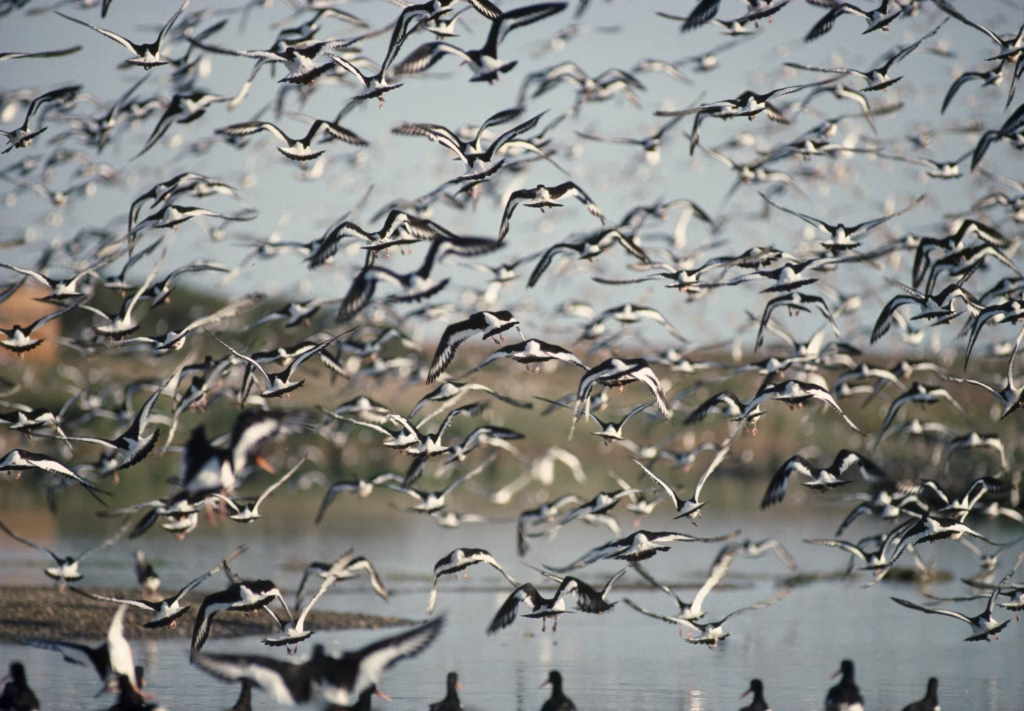
In the spring and summer, our beaches become a vast nursery. Thousands of shorebirds including little terns, ringed plovers and oystercatchers nest on sand and shingle, benefiting from the abundance of fish and insects. With global seabird populations falling fast, the coast is a vital refuge for these young families.
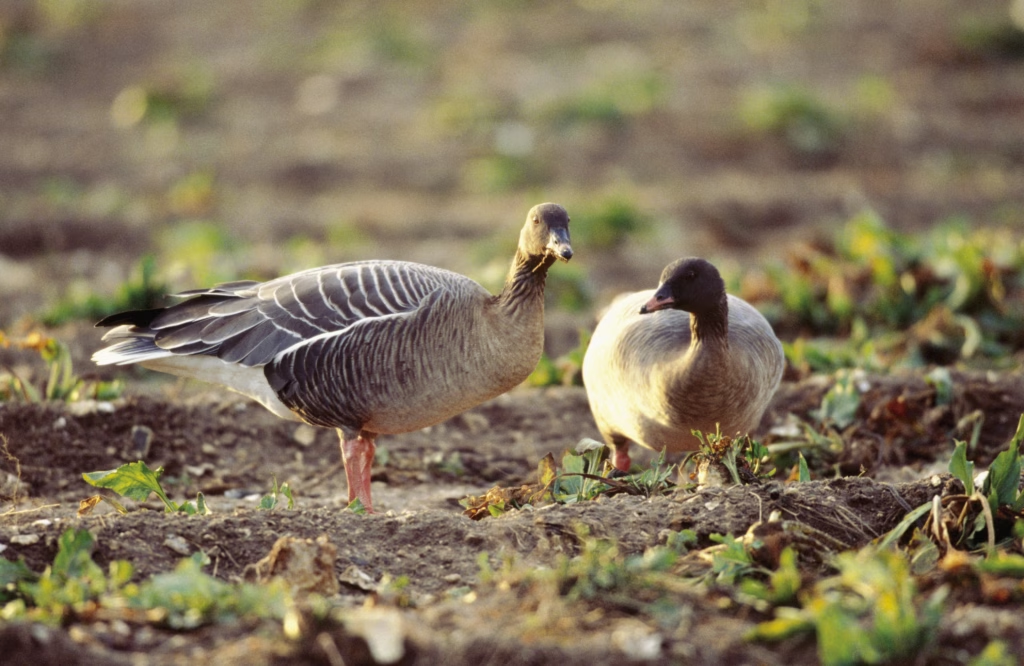
Once winter arrives, huge crowds of wading birds settle in for the season, taking advantage of the plentiful food and safe roosting spots on the coast. And overhead you’ll often hear the distinctive honking of pink-footed geese – spectacular flocks, or ‘skeins’, make their winter homes in coastal fields and marshes.
Other animals
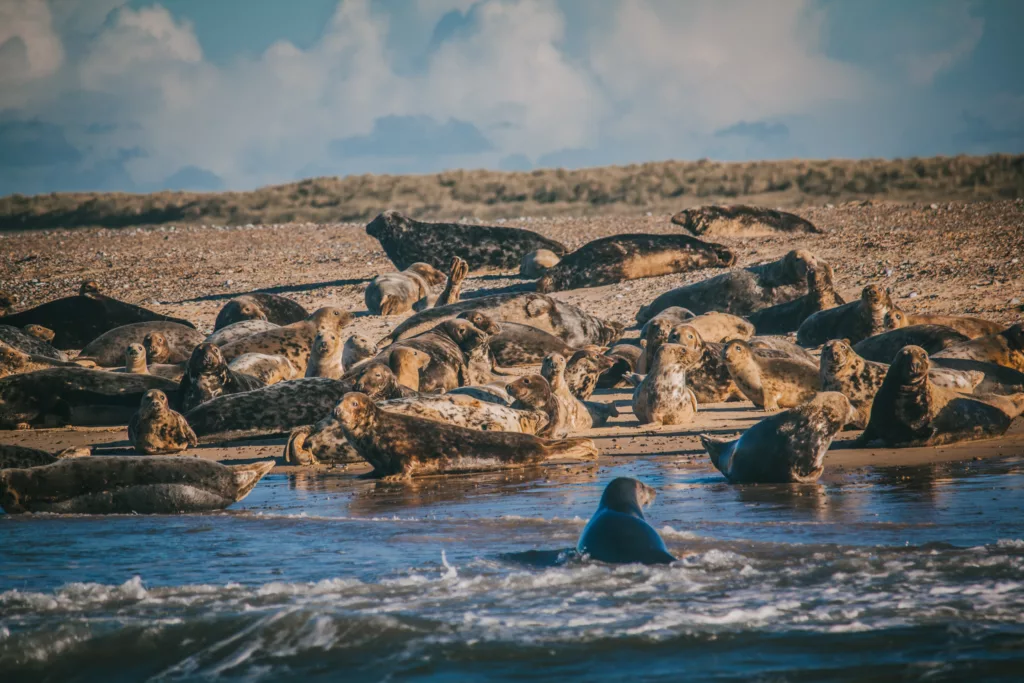
Some of our most popular coastal species are grey and harbour seals, which are often seen popping up to say hello in the shallows or resting on our beaches in colonies.
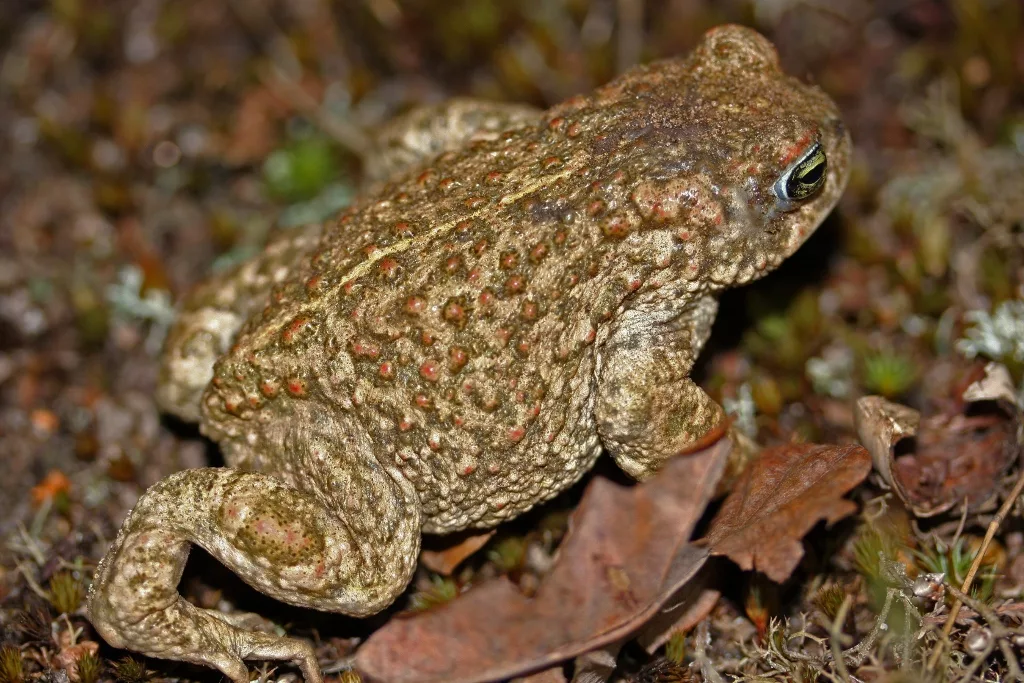
Equally impressive but perhaps less well-known is the rare and endangered natterjack toad, which lives in sand dunes and heaths. You’re perhaps more likely to hear it than see it, as the sound of males ‘singing’ to prospective mates can be heard up to a mile away!
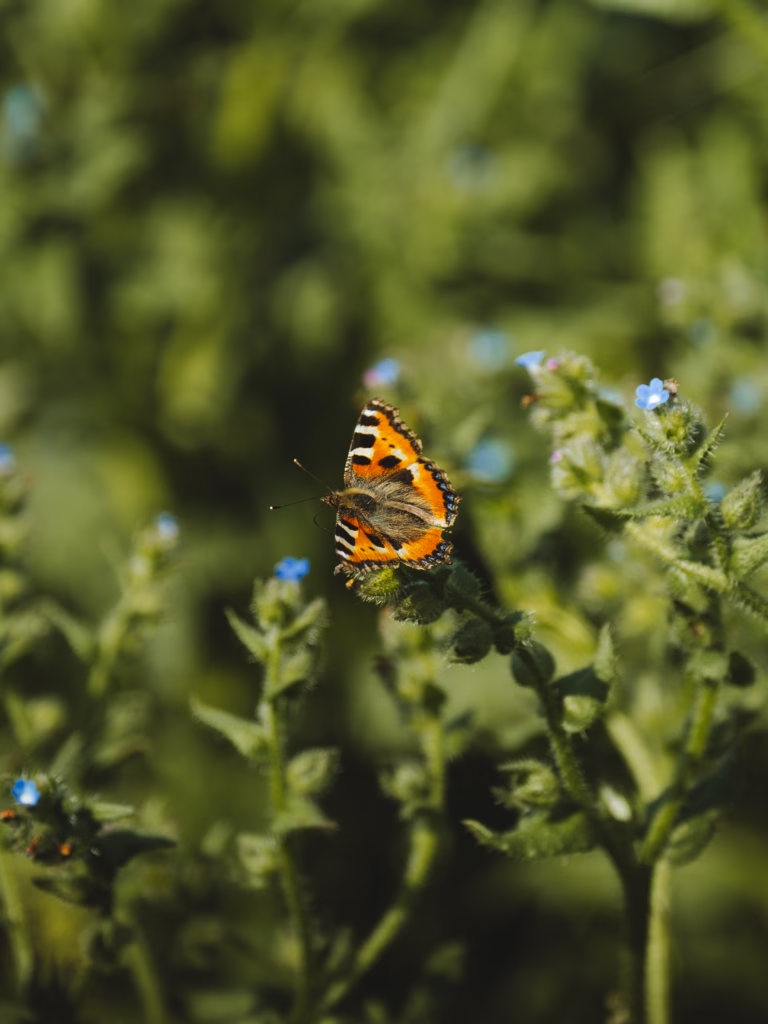
Visitors to the Norfolk Coast might also spot deer, badgers and otters – and perhaps even a water vole or two along our riverbanks if you’re lucky. Meanwhile, watch out for a wide range of insects, including beautiful dragonflies, moths, butterflies and beetles.
Plant life
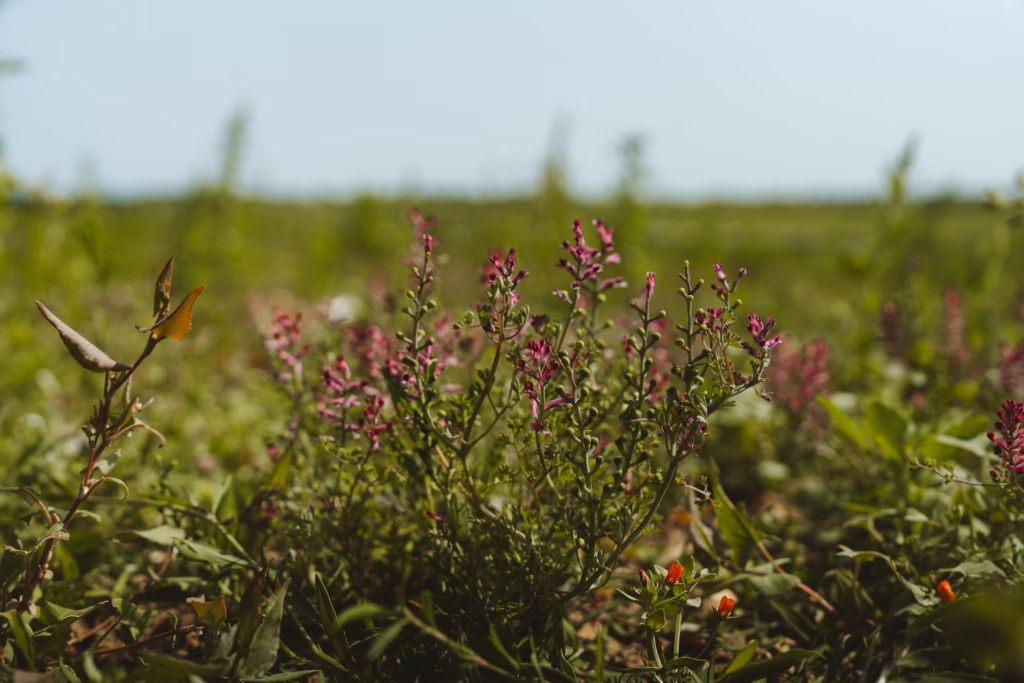
The Norfolk Coast supports an array of beautiful and unusual plant species which are vital for the region’s biodiversity. As you walk along the shingle beach in summer, look out for the sunshine shades of yellow horned poppies and biting stonecrop among the pebbles. On the saltmarshes grow foodie favourite samphire, dense patches of shrubby sea-blite and cushions of matted sea lavender, while on the sand dunes you can spot the distinctive shapes of sea holly, marsh helleborines and pyramidal orchids.
It’s not just above ground that our plant life thrives. Underwater seagrass meadows provide habitat for young fish and other marine life, whilst also serving as an important carbon store.
Respecting our iconic species
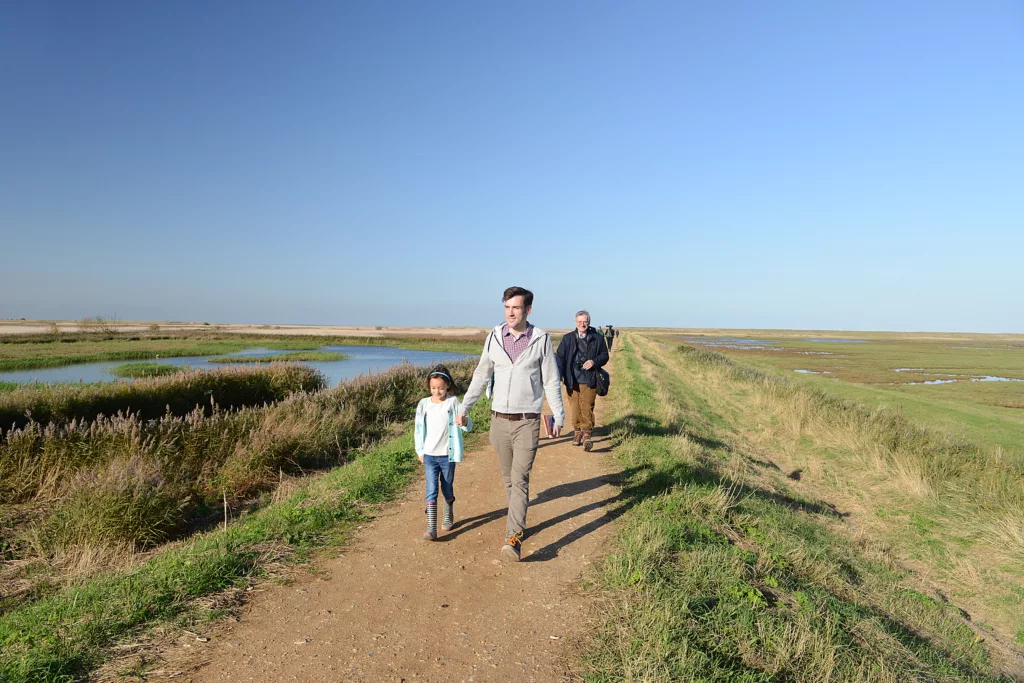
When you visit the coast, you’ll be sharing the landscape with a wide array of birds as they roost, rest and breed. These activities take up a huge amount of energy, so it’s vital that we keep our distance. If we get too close and disturb the birds, they can use up vital resources flying or moving away. This could leave them lacking the energy needed to produce eggs, find food or make their migration journeys overseas.
Other species can be just as sensitive to human interaction. Take for example the thousands of seals that come to the beach to give birth and raise their pups every year. If the seals are disturbed by people or dogs getting too close, it can cause them considerable stress and can even lead them to abandon their pups, leaving them defenceless on the beach.
You can help us keep the Norfolk Coast a haven for these amazing species by:
- Sticking to the paths
- Steering clear from fenced-off areas
- Walking along the foreshore when at the beach
- Maintaining a good distance from any wildlife you can see – a minimum of 100 metres (around the length of a football pitch) is recommended
- Checking ahead for restrictions and taking note of signage on site – remember, it may relate to wildlife that’s not easy to spot!
- Keeping your dog under close control and using a short lead when requested